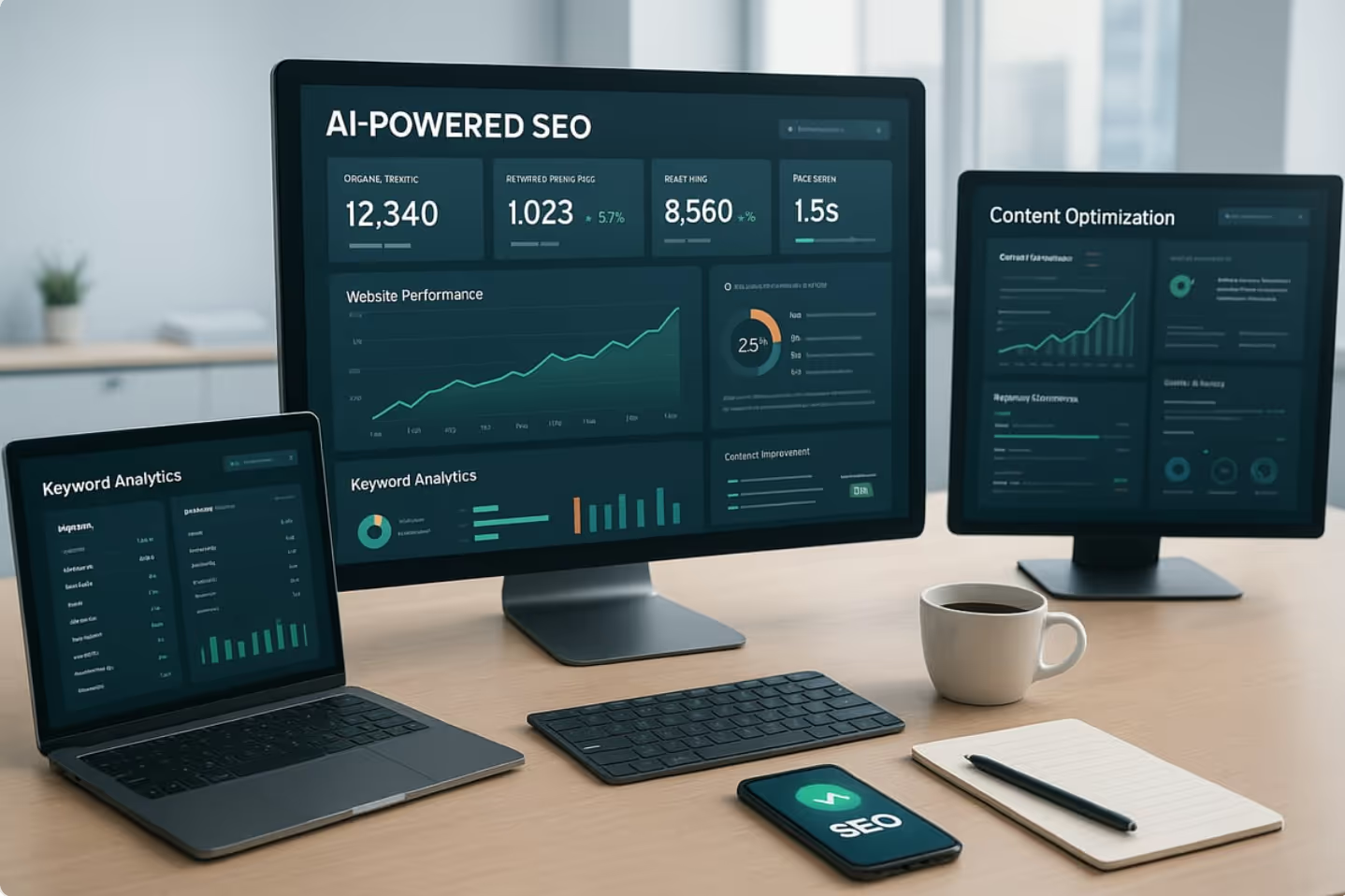
AI is fundamentally transforming the digital landscape, and by 2026, the combination of ai and seo will be essential for any brand aiming to lead in online visibility. This guide will show you how artificial intelligence is revolutionizing SEO, what optimization looks like in the future, and practical steps to future-proof your search strategy.
We’ll break down the evolution of AI in SEO, the core pillars of optimization, actionable implementation tactics, must-have tools, and the trends that will shape success in the coming years.
Did you know Gartner predicts traditional search traffic will drop by 25% by 2026 as AI changes how people discover information? Learn how top brands are using AI to automate, personalize, and boost their SEO. Discover the exact steps and tools to stay ahead. Read on for a comprehensive blueprint to unlock SEO optimization in 2026.
The Evolution of SEO in the Age of AI
Artificial intelligence is rapidly changing the digital landscape, and the relationship between ai and seo is at the heart of this evolution. As search engines become smarter, understanding these changes is crucial for anyone aiming to stay ahead in search visibility.

How AI Has Transformed Search Engines
Search engines have undergone a massive transformation, thanks to the integration of advanced AI systems. Google’s RankBrain, BERT, and MUM are now central to how queries are processed. These AI models interpret not just keywords, but also context, user intent, and the relationships between words.
For example, Google’s MUM can analyze information across 75 languages and different content formats, providing answers to complex, multi-layered questions. In 2025, AI Overviews started appearing in 13.14% of all Google queries, nearly double what was seen at the start of the year. This demonstrates how ai and seo are becoming inseparable as search results evolve.
AI-powered platforms like ChatGPT, Claude, and Gemini are also changing where and how people search. Instead of just focusing on ranking pages, brands now aim to be cited in AI-generated answers. This shift is known as generative engine optimization (GEO). For those looking to dive deeper, there are excellent Generative Engine Optimization strategies that can help you adapt your approach.
Another major change is the rise of zero-click searches. Over half of all Google searches in the US now end without a user clicking on a result. This means that visibility in AI-generated summaries and answer boxes is more important than ever for ai and seo.
From Keywords to Intent: The New SEO Paradigm
Traditional SEO was all about finding the right keywords and using them as much as possible. With ai and seo working together, the focus has shifted to understanding what users really want and creating content that fully answers their questions.
AI can now tell the difference between similar queries with very different meanings. For example, searching for “apple nutrition” versus “Apple revenue” will produce completely different results, thanks to natural language processing. This ability to understand intent means that simply stuffing in keywords won’t work anymore.
The way success is measured has also changed. While organic traffic may decrease due to more zero-click searches, other metrics like brand visibility, authority, and appearances in featured snippets have become more important. AI-generated summaries, knowledge panels, and answer boxes are now key areas where brands compete.
Branded queries are less likely to trigger AI Overviews, but when they do, click-through rates can jump by nearly 19%. This highlights why adapting to new ranking factors and user behaviors is essential for anyone focusing on ai and seo.
The evolution of SEO is ongoing, and those who embrace these changes will have the best chance at future-proofing their visibility in a world shaped by artificial intelligence.
Core Components of AI-Driven SEO Optimization
The landscape of ai and seo is evolving at a rapid pace, making it essential to understand the core components driving this transformation. Every aspect of optimization, from research to implementation, is being reshaped by artificial intelligence, offering marketers new ways to enhance visibility and performance.

AI-Powered Keyword Research and Intent Analysis
In 2026, keyword research is no longer just about lists of popular terms. AI and SEO tools now analyze enormous datasets, uncovering not only high-impact keywords but also the underlying intent behind every search. By leveraging platforms like ChatGPT, Ahrefs, and Semrush, marketers can predict trends, spot emerging topics, and fill crucial content gaps.
AI-driven systems blend data from Google, TikTok, Reddit, and YouTube to create a holistic keyword strategy. This approach helps uncover long-tail opportunities and fresh questions users are asking. According to AI's Impact on SEO Performance & Traffic, 67% of businesses already use AI for content marketing and SEO, highlighting the growing reliance on these tools.
To maximize results, blend ai and seo insights with human expertise. This combination ensures your keyword strategy remains robust, adaptable, and aligned with real user needs.
Automated Content Creation and Optimization
The rise of generative AI has transformed how content is created and optimized for ai and seo. Platforms like Jasper, SurferSEO, and ChatGPT can generate outlines, draft articles, and suggest improvements for structure, readability, and keyword integration. These tools analyze the top-ranking SERP content and recommend effective headings and formats.
AI helps prevent keyword stuffing by naturally weaving target phrases into your content. However, human editors remain essential to review for E-E-A-T (Experience, Expertise, Authoritativeness, Trustworthiness). This balance ensures your content is accurate, relevant, and unique.
With ai and seo working together, you can scale content production without sacrificing quality. Marketers are finding that AI-generated suggestions for FAQs and meta descriptions help capture featured snippets and voice search opportunities.
Technical SEO Automation and Site Health
AI has become a critical ally in maintaining technical site health for ai and seo. Automated tools like Screaming Frog, Ahrefs, and Semrush run comprehensive audits, identifying crawl issues, speed bottlenecks, and mobile usability problems. They also offer bulk fixes, such as generating image alt text or optimizing schema markup.
AI can analyze traffic patterns, flagging sudden drops and linking them to algorithm updates. This proactive monitoring means marketers can address issues before they affect rankings. Enhanced internal linking, improved site architecture, and structured data recommendations all contribute to better crawlability and AI interpretation.
Continuous real-time alerts keep your site healthy and competitive. By integrating ai and seo automation, your technical foundation remains strong, supporting every other aspect of optimization.
Off-Page SEO and AI-Driven Link Building
Link building is evolving as AI streamlines the process of finding and securing high-quality backlinks. AI and SEO tools like Linkee curate lists of outreach prospects, identify industry influencers, and even help craft personalized outreach messages.
AI scans for trending topics and digital PR opportunities, suggesting the best assets to promote for maximum link potential. It evaluates backlink quality, detects toxic links, and benchmarks your profile against competitors. Social listening features also track brand mentions and unlinked opportunities across the web.
By automating repetitive outreach tasks and integrating competitive analysis, ai and seo strategies for off-page optimization become more efficient and data-driven, helping you outperform rivals in link acquisition.
Local SEO Optimization with AI
Local businesses are seeing a revolution in visibility thanks to ai and seo advancements. AI-powered platforms like Falcon AI and Semrush generate optimized Google Business Profile descriptions and localized landing page content. They analyze local ranking factors, review sentiment, and identify gaps in your citation profile.
AI also automates responses to customer reviews and checks for NAP (Name, Address, Phone) consistency across directories. This boosts your map pack visibility and drives engagement from local searchers. With over 96% of Google AI Overviews appearing for informational queries, optimizing for local search is more important than ever.
Combining ai and seo for local optimization ensures your business stands out in a crowded digital landscape, capturing attention where it matters most.
Step-by-Step Guide: Implementing AI and SEO Strategies in 2026
The landscape of ai and seo is evolving rapidly. To keep your brand ahead, adopting a systematic approach is crucial. This step-by-step guide will show you how to integrate artificial intelligence into your SEO workflow for 2026.
Each step is designed to help you unlock greater visibility, authority, and search performance. Let’s dive in.

Step 1: Define SEO Goals and KPIs Aligned with AI Capabilities
Success with ai and seo begins by setting clear, measurable objectives. Traditional metrics like organic clicks are no longer enough. Today, you must focus on new KPIs that reflect AI-driven search realities.
Start by pinpointing your primary goals. Are you aiming for higher brand visibility, increased authority, or more AI Overview citations? Consider objectives such as:
- Boosting impression share in AI-generated answers
- Securing featured snippet placements
- Increasing citation frequency in AI Overviews
- Enhancing zero-click visibility
Align these goals with your business targets and audience needs. For example, if authority is your aim, track how often your content appears in AI-generated search results.
Modern ai and seo strategies demand flexibility. As search evolves, regularly revisit your KPIs to ensure they match your current performance and market landscape.
Step 2: Conduct AI-Enhanced Keyword and Intent Research
The next step in effective ai and seo planning is advanced keyword and intent research. AI-powered tools have transformed how marketers uncover opportunities and understand searcher needs.
Leverage platforms like ChatGPT, Ahrefs, and Semrush to analyze massive datasets. These tools reveal not just high-volume keywords, but also rising topics and nuanced intent behind searches.
Expand your research by integrating data from social platforms such as TikTok, Reddit, and YouTube. AI’s ability to process these sources uncovers trending questions and content gaps competitors might miss.
Key actions:
- Identify long-tail keywords with high conversion potential
- Spot emerging topics before they peak
- Map content to user intent, not just keywords
By combining ai and seo insights, you ensure your content strategy is both proactive and comprehensive.
Step 3: Create and Optimize Content with AI Assistance
Content creation is at the heart of ai and seo. AI can streamline every stage, from ideation to optimization, making your workflow faster and smarter.
Begin by using AI to generate outlines, draft content, and suggest meta descriptions. Tools like Jasper, SurferSEO, and ChatGPT analyze top-ranking pages and recommend improvements for structure and readability.
Focus on:
- Ensuring natural keyword integration
- Adding FAQ sections to capture featured snippets and voice search
- Enhancing E-E-A-T (Experience, Expertise, Authoritativeness, Trustworthiness)
Always review AI-generated content for accuracy and uniqueness. Blend AI efficiency with human insight for content that resonates and ranks. This hybrid approach is essential for future-proof ai and seo success.
Step 4: Automate Technical SEO and Site Health Monitoring
Technical SEO can be complex, but ai and seo tools make it manageable and effective. Automated audits quickly identify crawl errors, speed bottlenecks, and mobile usability issues.
Platforms like Screaming Frog, Ahrefs, and Semrush offer bulk solutions for common fixes, such as generating alt text and schema markup. AI can also set up real-time alerts for traffic anomalies or algorithm updates.
Action steps:
- Run regular AI-powered site audits
- Implement automated fixes for technical errors
- Monitor site health with real-time analytics
Feeding your site data into AI platforms helps uncover patterns and optimization opportunities. With ai and seo automation, you maintain a healthy, high-performing website with minimal manual effort.
Step 5: Execute AI-Driven Link Building and Off-Page Strategies
Off-page optimization remains vital in ai and seo. AI streamlines link building by identifying high-quality backlink prospects and automating outreach processes.
Use tools like Linkee and BuzzStream to curate outreach lists and personalize communication. AI can also evaluate backlink quality, detect toxic links, and benchmark your link profile against competitors.
Effective strategies include:
- Targeting industry blogs, influencers, and podcasts
- Automating prospect research and follow-ups
- Monitoring brand mentions and unlinked opportunities
By leveraging ai and seo for off-page efforts, you build a robust backlink profile and improve your domain authority in a competitive landscape.
Step 6: Optimize for Local and Voice Search with AI
Local and voice search are growing channels for ai and seo. AI-powered tools help generate optimized Google Business Profile descriptions and create localized landing page content.
Analyze local ranking factors and competitor performance using platforms like Falcon AI and Semrush. Automate responses to reviews and manage your online reputation efficiently.
Key actions:
- Identify location-based keyword opportunities
- Ensure NAP (Name, Address, Phone) consistency across directories
- Enhance map pack visibility with targeted content
As ai and seo continue to shape local and voice search, staying proactive ensures your business remains visible and relevant to local audiences.
Step 7: Measure, Analyze, and Iterate Using AI Insights
Continuous improvement is the hallmark of effective ai and seo. Leverage AI dashboards for real-time tracking and reporting. Analyze which content is cited in AI Overviews, featured snippets, and voice answers.
Dive deep into analytics to understand what’s working and where adjustments are needed. For best practices in analytics and reporting, explore Marketing analytics and reporting practices.
Refine your strategies based on AI-driven recommendations. Adjust content, optimize for new KPIs, and stay agile as search evolves. By embracing a cycle of measurement and iteration, you ensure ai and seo efforts deliver sustained results.
Essential AI-Powered SEO Tools for 2026
AI and SEO are inseparable in 2026, with cutting-edge tools transforming every aspect of search optimization. Whether you are a marketer, content creator, or business owner, the right platforms will define your ability to compete. Let us explore the leading categories of essential AI-powered SEO tools shaping the future.

Keyword Research and Intent Analysis Tools
Keyword research has evolved with ai and seo, moving beyond simple volume checks to deep intent analysis. Platforms like Clearscope, MarketMuse, Ahrefs, Moz, SurferSEO, and Semrush use AI to uncover trending topics, analyze SERP intent, and predict future keyword opportunities.
- AI models interpret searcher context, not just keywords.
- Tools integrate data from TikTok, Reddit, and YouTube for holistic keyword discovery.
- Example: Ahrefs uses AI to analyze SERPs and determine nuanced user intent.
For those tracking the latest trends, AI Search Engine Traffic Statistics provides valuable data to inform smarter keyword strategies.
Content Generation and Optimization Platforms
Content creation is now a seamless partnership between ai and seo specialists and advanced platforms. ChatGPT, Jasper, Perplexity, Google’s Notebook LM, Yoast SEO Content Assistant, Frase, and SurferSEO enable automated outlines, draft generation, meta optimization, and E-E-A-T checks.
- Generate high-quality drafts and meta descriptions in seconds.
- AI suggests structure, headings, and FAQ sections for snippet optimization.
- Statistic: 78% of businesses are satisfied with AI content tools (Semrush).
These platforms ensure your content stays relevant and authoritative in a rapidly changing search environment.
Technical SEO Automation Suites
Technical optimization is the backbone of ai and seo success. Screaming Frog, Ahrefs, Semrush, and Google Search Console now feature AI-driven audits, bulk fixes, and real-time monitoring.
- Automated crawl analysis and image alt text generation.
- AI flags site speed issues and mobile usability problems.
- Real-time alerts for traffic anomalies and algorithm shifts.
For a comprehensive overview of these solutions, check out this Marketing automation tools overview to see which platforms best fit your workflow.
Local SEO and Reputation Management Solutions
Local businesses thrive when leveraging ai and seo tools tailored for location-based strategies. Ahrefs, Semrush, Moz Local, Falcon AI, Whitespark, and BrightLocal deliver local ranking analysis, review management, and citation checks.
- AI generates optimized Google Business Profile descriptions.
- Automated responses to reviews and reputation monitoring.
- Data-driven insights to improve local map pack visibility.
These tools make it easier to capture local audiences and enhance online reputation.
Off-Page and Link Building Tools
Effective off-page strategies are supercharged by ai and seo integration. Linkee, InLinks, and BuzzStream streamline prospect curation, internal linking, and outreach.
- AI identifies authoritative backlink opportunities.
- Automates prospect research and personalized outreach.
- Detects and removes toxic links from your profile.
With these tools, brands can efficiently boost domain authority and stay ahead of competitors.
Future Trends and Predictions: AI and SEO in 2026 and Beyond
The landscape of ai and seo is evolving at breakneck speed. As we approach 2026, several key trends are shaping the future of search optimization and digital visibility.
The Rise of Generative Engine Optimization (GEO)
Generative Engine Optimization (GEO) is quickly becoming a cornerstone of ai and seo strategy. Instead of only aiming for top SERP positions, brands now focus on being cited in AI-generated answers. Citing sources, using statistics, and including authoritative quotes increase the likelihood of selection.
A recent Princeton/Georgia Tech study found GEO methods boost source visibility by over 40 percent in AI-generated responses. To adapt, structure your content for easy citation by AI models like ChatGPT, Gemini, and Google’s AI Overviews. For a deeper dive into how AI models plan and generate search results, see the AI-SearchPlanner Research Paper.
Zero-Click and Multi-Modal Search Experiences
Zero-click searches are now the norm, making impression share and authority more important than ever in ai and seo. Today’s users often find their answers directly on the results page, without clicking through to a site.
Multi-modal search introduces even more complexity, as AI now interprets text, images, and video together. Google’s MUM, for example, processes information across formats to answer complex queries. Success depends on optimizing all types of content for AI understanding.
AI Personalization and Hyper-Targeted Content
Personalization is redefining ai and seo. AI tailors search results based on user behavior, location, and preferences, delivering hyper-targeted content for every segment.
To stay competitive, your content must adapt to different audiences and platforms. For example, local search results are now highly specific, reflecting the unique needs of each user. Brands that embrace this shift see greater engagement and loyalty.
The Expanding Role of Social and Chat-Based Search
Social and chat-based search is a game changer for ai and seo. Users increasingly turn to platforms like TikTok, YouTube, and Reddit for real-time answers and reviews.
AI integrates signals from these platforms, making user-generated content and discussions valuable for visibility. Google’s partnership with Reddit now surfaces genuine user reviews in search, showing that social proof is a vital ranking factor.
Evolving Metrics and SEO Success Factors
Traditional metrics, such as organic clicks, are declining in relevance as ai and seo evolve. New success metrics include AI citation frequency, featured snippet presence, and brand mentions across platforms.
Gartner predicts a 25 percent drop in traditional search traffic by 2026 due to these AI-driven changes. Marketers are now tracking featured snippet wins and AI Overview inclusions as core KPIs for search performance.
Ethical Considerations and Human-AI Collaboration
Ethics play a growing role in ai and seo. While AI-generated content is efficient, it requires human oversight to ensure accuracy, mitigate bias, and maintain brand voice.
Google continues to prioritize content quality and E-E-A-T, regardless of how content is produced. According to Neil Patel Digital, 50 percent of consumers can spot AI-generated content, and over half are less engaged when they suspect it is not human-created.
Preparing for Continuous Change in AI and SEO
The only constant in ai and seo is change. AI technologies and algorithms evolve rapidly, making ongoing education and adaptation essential for success.
Marketers who test, measure, and iterate their strategies gain a significant advantage in brand visibility and lead generation. Early adopters of AI-powered SEO tools are already seeing these benefits, setting the pace for the next era of search.
As we’ve seen throughout this guide, unlocking SEO success in 2026 means blending AI-powered insights with a structured, unified approach that puts your brand ahead of the curve. If you’re ready to move beyond scattered marketing tactics and want a system that delivers clarity, measurable growth, and confidence in your results, you don’t have to figure it out alone. I recommend exploring how RCKT’s proven Growth Framework can help you build a full funnel strategy that’s agile and scalable—perfect for B2B SaaS founders aiming for sustainable impact.
Learn more about RCKT's Growth Packages